Pre-Surgery Anxiety Control & Its Impact on Post-Surgery Pain Relief for Dogs
- cbdvets
- Dec 4, 2025
- 3 min read

Any pet finds surgery to be stressful, but dogs experience increased anxiety before the procedure even starts. This stress does more than cause emotional discomfort. It directly impacts how the body will process pain, respond to medication, and heal from surgery. That’s why modern veterinary teams now prioritize presurgical dog anxiety medication in Australia as a strategic component of effective pain relief for dogs. When anxiety goes down, recovery speeds up. When stress levels are out, medications act more effectively. And the result of this integrated approach is improved outcomes across the board.
Pre-Surgery Anxiety Control & How It Impacts Post-Surgery Pain for Dogs
Like humans, dogs also go through the same emotions before any surgery and pain after surgery. And anxiety is a common thing for them to feel along with the post-surgery stress. So let’s see how it can be controlled and managed.
How Pre-Surgery Anxiety Affects the Body
Particularly cortisol and adrenaline are elevated and are issued in response to anxiety for dogs. These hormones are a function of anxiety and allow for survival via threat response. However, it is counterproductive during surgery. Stress makes metabolism less efficient and makes pain more sensitive to the body. If dogs enter surgery in a heightened state of stress, their body will issue even more anesthetics. They will get stronger pain signals, and their body will have a tougher time regulating inflammation. This will slow recovery. No pet owner wants to encounter these inefficiencies.
The Role of Pre-Surgery Anxiety Medication
Giving dogs anxiety meds before surgery is really important for keeping them calm, both in body and mind. These meds ease stress, settle their nerves, and lower stress hormones. Doing this makes anesthesia easier to manage and helps your dog go into surgery feeling relaxed. A calm dog handles surgery better and recovers more smoothly. It makes them more comfortable right away and later on. Basically, anxiety meds make the whole surgery go better for your dog.
Improved Pain Tolerance and Medication Response
The dogs that were given anxiety control before surgery showed better responses to post-surgery pain relief for dogs in Australia. Their bodies were more receptive to analgesics. They had more consistent heart rates. They exhibited less pain-driven agitation. Anxiety leads to hypervigilance, which can turn a slight discomfort into a huge issue. By cutting off the fear reaction, pain tolerance is increased. It aids quicker stabilization. It allows the body to operate the painkillers at maximum strength. The outcome is an easier, more predictable recovery curve. The veterinary teams value this efficiency. The pet owners are grateful for their dogs being more relaxed.
Reduced Post-Surgery Complications
One of the often overlooked perks of managing pre-surgery anxiety is that it can lead to fewer complications afterward. When dogs are anxious, they might lick at their wounds, resist resting, or even panic when they’re supposed to be staying still. These kinds of behaviors can heighten the chances of infections and swelling and slow down the healing process.
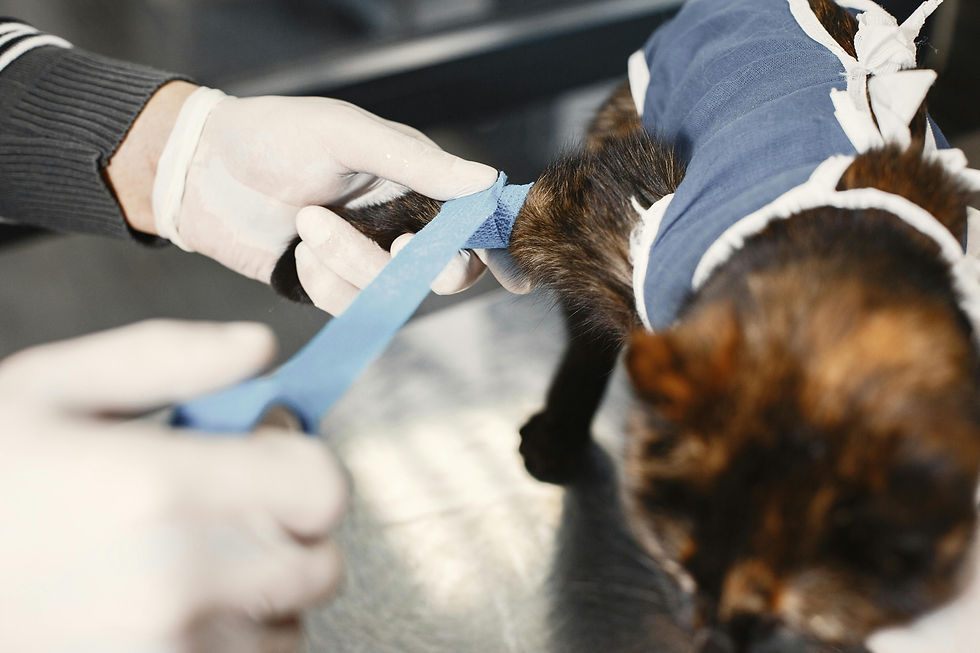
By using dog anxiety medication in Australia, we can help keep them calm during those crucial early recovery days. This way, dogs can rest better, accept things like cones or bandages more easily, and adjust to their temporary mobility restrictions. This kind of discipline not only speeds up their healing but also helps avoid any setbacks.
Better Outcomes for Senior and High-Risk Dogs
Surgical stress is frequently more difficult for older dogs and dogs with long-term medical conditions. Their bodies process medication differently. Their pain thresholds may be lower. Additionally, they undergo cognitive alterations that exacerbate anxiety. Pre-surgery anxiety control becomes essential for these pets. It lessens the strain on the body. It protects cognitive function. It facilitates easier transitions from surgery to recuperation. For pets that already have limited reserves, this method frequently improves both safety and comfort.
Conclusion
Controlling anxiety caused by surgery should not be considered an unnecessary expense when developing an effective method to provide postoperative post-surgery pain relief for dogs in Australia. The veterinary staff will improve the success of their anesthetic methods, enhance pain control, and eliminate or reduce any postoperative complications. These are related to the surgery when a dog’s emotional state is stabilized leading into the surgery. A dog that has been provided with preoperative anxiety management will experience less suffering and a quicker recovery than a dog that has not received any preoperative anxiety management.


Comments